Brain Health Starts With What You Eat
Discover how strategic food choices can enhance cognitive function, boost mental clarity, and support long-term brain wellness. At Habitpowerbalance, we believe that nutrition is the foundation of neurological health.
Explore our comprehensive guide to brain-boosting foods, evidence-based eating patterns, and practical strategies for supporting your cognitive performance through diet.

Essential Brain Health Features
Learn the key components of a brain-healthy diet and how each element contributes to cognitive wellness.
Antioxidant-Rich Foods
Discover how antioxidants protect brain cells from oxidative stress. Learn which foods contain the highest concentrations of protective compounds and how to incorporate them into daily meals for optimal cognitive defence.
Omega-3 Fatty Acids
Explore the role of omega-3s in brain structure and function. Understand which sources provide the most bioavailable forms and practical ways to ensure adequate intake for sustained neurological health.
Micronutrient Essentials
Master the vitamins and minerals critical for brain function—B vitamins, magnesium, zinc, and iron. Learn food pairing strategies to maximise absorption and support cognitive performance.
Cognitive Function Support
Understand how specific nutrients enhance memory, focus, and mental clarity. Explore foods that support neurotransmitter production and neuroplasticity for long-term brain vitality.
Whole Food Approach
Learn why whole, unprocessed foods outperform supplements in supporting brain health. Discover how food synergy—combining nutrients strategically—creates powerful cognitive benefits.
Sustainable Nutrition Habits
Develop practical eating patterns that support brain health over the long term. Explore behaviour change strategies, meal planning approaches, and evidence-based lifestyle integration methods.
How Nutrition Fuels Cognitive Function
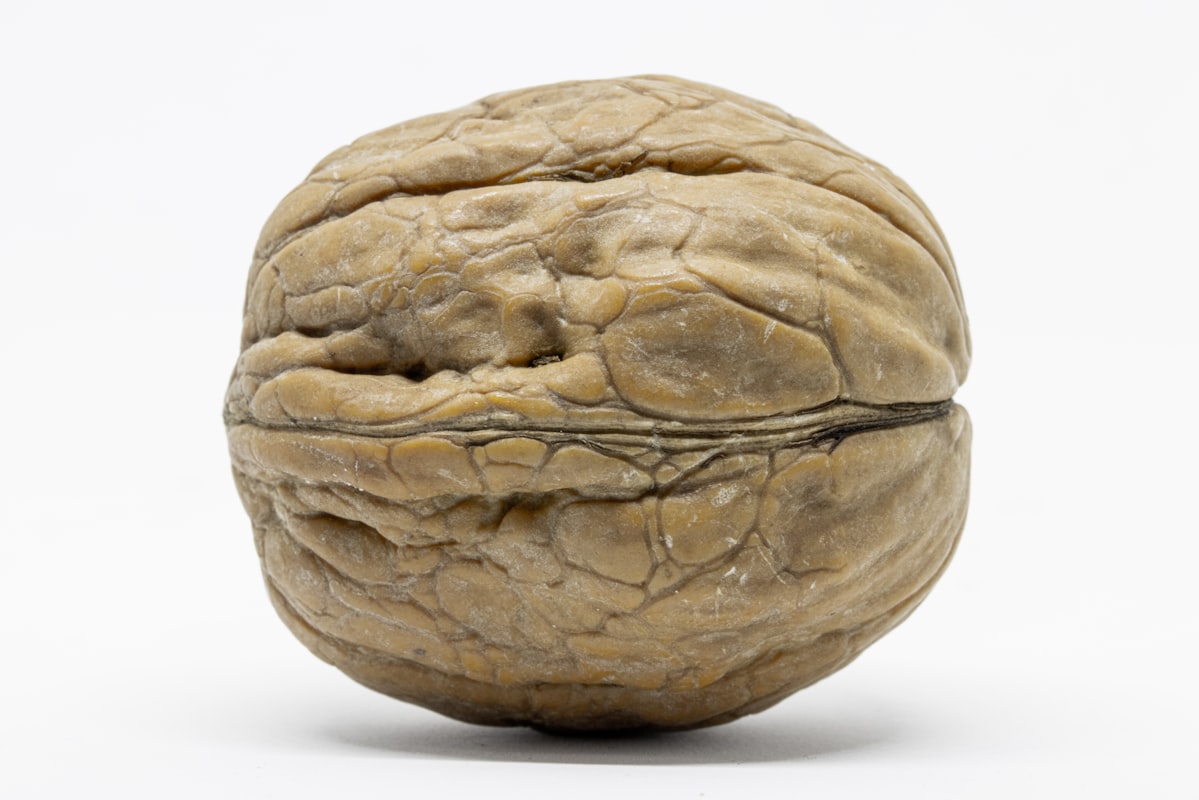
Your brain is an energy-intensive organ that accounts for approximately 20% of your body's caloric expenditure. Every thought, memory, and decision relies on a complex interplay of nutrients that support neural transmission and cellular repair.
When you consume foods rich in antioxidants, healthy fats, and essential minerals, you're providing your brain with the raw materials needed for optimal function. These nutrients cross the blood-brain barrier and directly influence neurotransmitter production, neuroinflammation responses, and synaptic plasticity.
The foods you choose today shape your cognitive capacity tomorrow. By adopting a brain-focused nutrition strategy, you're investing in mental clarity, emotional resilience, and long-term neurological vitality.
Learn More About Brain FoodsBrain-Boosting Food Categories
Explore the main food groups that support cognitive health and understand what makes each category essential for brain function.

Berries
Blueberries, strawberries, and blackberries contain anthocyanins and flavonoids that reduce neuroinflammation and improve memory formation. Rich in antioxidants that protect against cognitive decline.
Fatty Fish
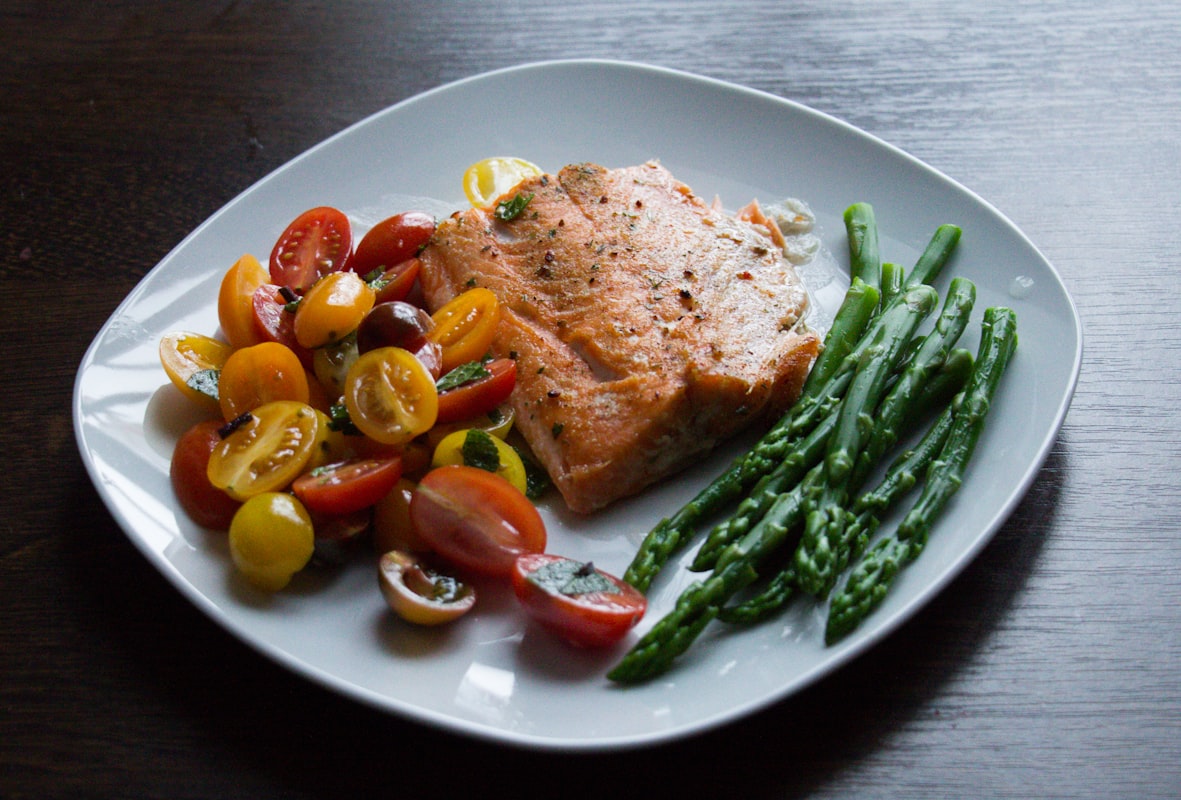
Salmon, mackerel, and sardines provide EPA and DHA—omega-3 fatty acids essential for brain structure. These nutrients support synaptic function and promote neuroplasticity throughout life.
Leafy Greens
Spinach, kale, and Swiss chard contain lutein and folate that enhance cognitive processing speed. The high micronutrient density supports overall neurological health and energy metabolism.

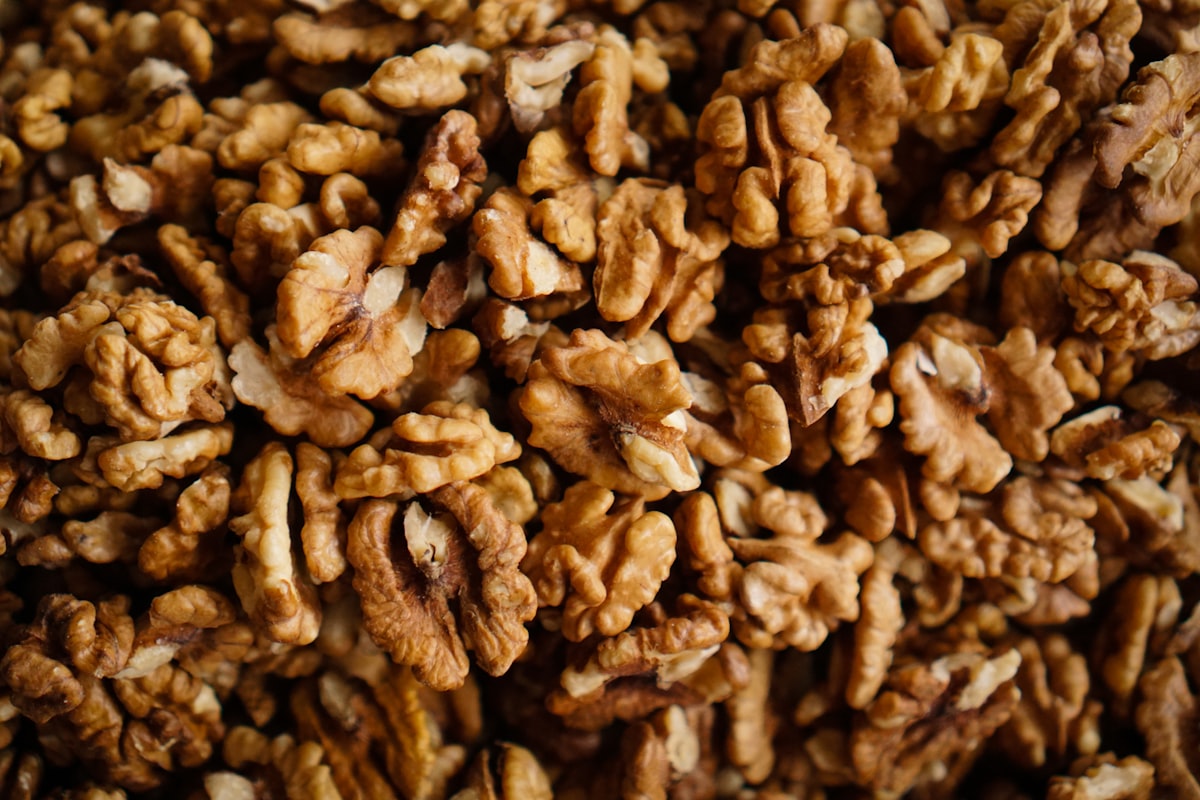
Nuts and Seeds
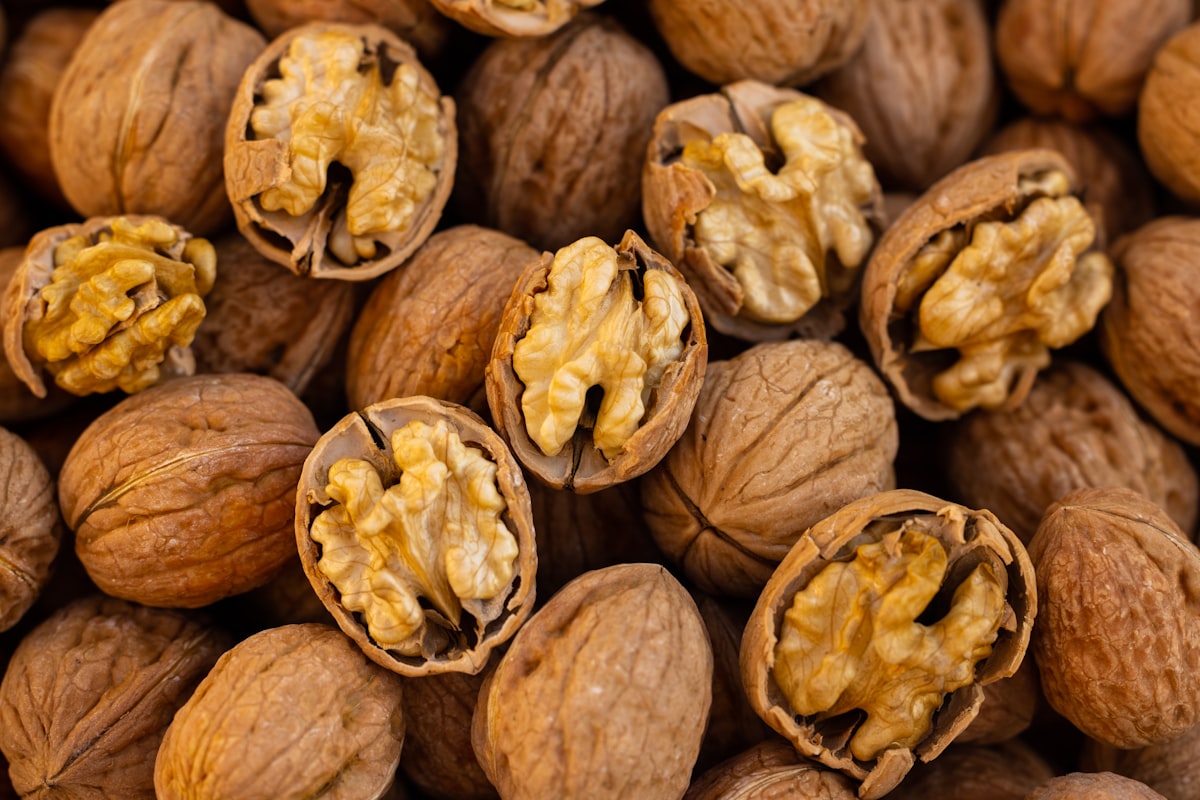
Walnuts, almonds, and pumpkin seeds provide vitamin E, magnesium, and plant-based omega-3s. These nutrient-dense foods support memory retention and reduce age-related cognitive decline.

Whole Grains
Oats, brown rice, and whole wheat provide B vitamins crucial for neurotransmitter synthesis. Their low glycemic index ensures stable blood glucose and sustained mental energy throughout the day.
Antioxidant Spices
Turmeric, ginger, and cinnamon contain powerful polyphenols that cross the blood-brain barrier. These spices reduce neuroinflammation and support long-term cognitive resilience.
Your 4-Week Brain Health Journey
A structured approach to integrating brain-healthy eating habits into your daily life.
Week 1: Assessment and Planning
Begin by evaluating your current eating patterns and identifying gaps in brain-supporting nutrients. Learn the foundational principles of cognitive nutrition and audit your kitchen for foods that align with brain health.
Focus: awareness, education, baseline assessment
Week 2: Introduction and Experimentation
Start incorporating brain-boosting foods into your meals. Try new recipes featuring berries, fatty fish, and leafy greens. Track how different foods affect your energy, focus, and mental clarity.
Focus: implementation, experimentation, sensory awareness
Week 3: Refinement and Optimisation
Based on your observations, refine your approach. Develop a personalized meal plan that includes your preferred brain-healthy foods. Focus on consistency and meal preparation strategies that work for your lifestyle.
Focus: personalisation, habit formation, consistency
Week 4: Sustainability and Long-Term Planning
Assess your progress and establish sustainable habits for the long term. Build your personal resource library of favourite recipes, understand your nutritional priorities, and plan for ongoing brain health maintenance.
Focus: sustainability, evaluation, future planning
Ready to start your brain health journey? Explore our comprehensive food guides and recipes.
Browse Brain-Healthy RecipesBrain Health Benefits: Nutrient-Dense vs. Standard Diet
See how strategic food choices impact your cognitive function and overall wellness.
Brain-Healthy Approach
- Enhanced Memory: Omega-3s and antioxidants support synaptic function and long-term potentiation.
- Improved Focus: Stable blood sugar from whole grains prevents energy crashes and mental fog.
- Reduced Inflammation: Antioxidants and polyphenols lower neuroinflammatory markers.
- Sustained Energy: Micronutrient density supports ATP production and mitochondrial function.
- Emotional Resilience: Nutrients support neurotransmitter synthesis and mood regulation.
- Long-Term Neuroprotection: Consistent nutrition supports cognitive reserve and healthy ageing.
Typical Processing-Heavy Diet
- Memory Challenges: Lack of omega-3s and antioxidants compromises synaptic plasticity.
- Attention Difficulties: Refined sugars cause blood sugar spikes and energy crashes.
- Chronic Inflammation: Processed foods promote neuroinflammatory states.
- Energy Fluctuations: Micronutrient deficiencies impair energy metabolism and mitochondrial function.
- Mood Instability: Inadequate nutrients limit neurotransmitter precursors and production.
- Accelerated Cognitive Decline: Reduced cognitive reserve increases vulnerability to age-related changes.
Common Questions About Diet and Brain Health
Find answers to frequently asked questions about nutrition and cognitive function.